
Jewelry Insurance
Your Homeowners Policy Has a $1,500 Jewelry Limit. Your Engagement Ring Cost More Than That.
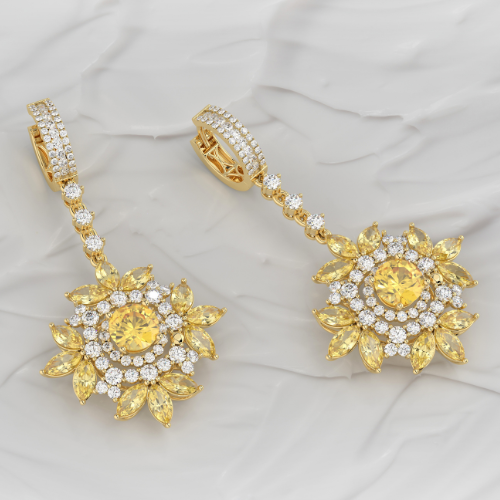
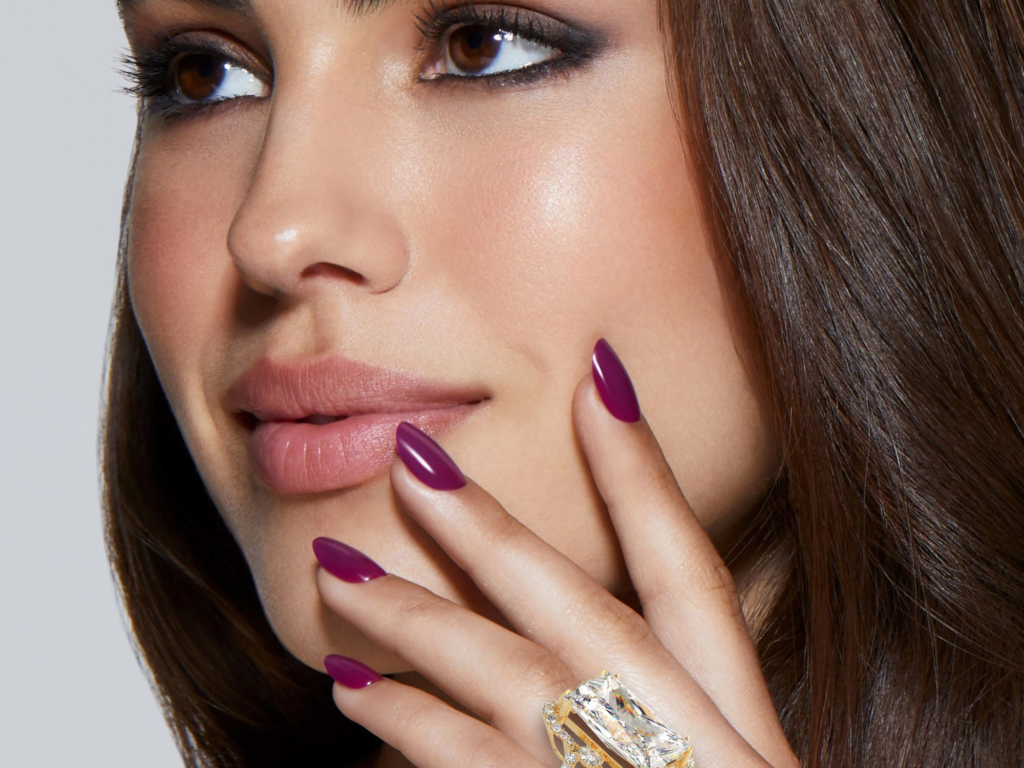
Most standard homeowners and renters policies include a jewelry sublimit — typically $1,500 to $2,500 — that applies to all jewelry theft claims combined, regardless of what individual pieces are worth. That limit exists not because jewelry isn’t valuable, but because standard personal property coverage was never designed to protect high-value individual items. If your engagement ring, your grandmother’s pearl necklace, or the watch you’ve worn every day for fifteen years was stolen out of your home tonight, your homeowners policy would pay you $1,500 — and close the claim. Jewelry insurance — specifically, a scheduled personal articles policy or jewelry floater — covers your pieces individually, at their full appraised value, for a much broader range of causes than your homeowners policy was ever written to handle. At Prestige Planning, we help Florida families make sure the pieces they care about most are actually covered for what they’re worth.
That Sublimit Will Surprise You
Standard homeowners policies cap jewelry theft claims at a sublimit — often $1,500, sometimes $2,500 — for every piece you own combined. That’s not your deductible. That’s the ceiling. An engagement ring, a watch, a strand of pearls — any single piece worth more than that limit is underinsured the moment you bring it home. A scheduled jewelry policy covers each piece individually at its full appraised value and removes that cap entirely.
Lost Is Not the Same as Stolen
Standard homeowners policies cover jewelry theft — but they typically don’t cover mysterious disappearance. The ring that was on the bathroom counter and isn’t there when you get home. The earring that came off somewhere during a long day. The bracelet that slipped off at the beach. These losses are excluded from most standard policies. A dedicated jewelry policy covers mysterious disappearance. If it’s gone, you’re covered — no proof of theft required.
It Goes Where You Go
So Does the Coverage.Your homeowners jewelry sublimit applies whether the loss happens in your bedroom or on a trip abroad. A scheduled jewelry policy covers your pieces anywhere in the world — theft, accidental damage, mysterious disappearance — whether you’re in Birmingham, in Nashville for the weekend, or traveling internationally. For the pieces you wear every day, that worldwide coverage is what actually matches how you live.
Coverage That Reflects What These Pieces Actually Mean
The Appraisal Is Where It All Starts
A jewelry insurance policy is built around a current appraisal — a formal written assessment from a qualified jewelry appraiser that documents the piece's description, characteristics, and replacement value. For most pieces, you'll need an appraisal dated within the past few years. The appraisal is what sets the insured value, and it's what the claim settlement is based on at loss time. If you haven't had a piece appraised recently — or ever — we can point you toward qualified appraisers in Florida. One of the most common mistakes we see is jewelry that was appraised a decade ago and scheduled at a value that no longer reflects current market prices for stones, metals, or craftsmanship. An updated appraisal before you schedule a policy protects you from a settlement shortfall when you can least afford it.
Scheduled Coverage vs. Blanket Coverage — Knowing Which You Need
There are two ways to insure a jewelry collection. Scheduled coverage lists each piece individually with its own insured value — typically the right approach for high-value individual items like engagement rings, watches, or family heirlooms where the per-item value matters. Blanket coverage insures a collection for a total dollar amount without itemizing each piece — better suited for a larger collection of smaller-value items where individual scheduling would be impractical. For most Florida clients, a hybrid approach works best: schedule the high-value anchor pieces individually, and cover the balance of the collection with blanket coverage. We help you think through which pieces warrant individual scheduling and which fit better under a blanket limit.
How a Jewelry Claim Is Actually Settled
When a scheduled jewelry loss occurs, the settlement process is straightforward: the claim is filed, the loss is documented, and the insurer pays based on the agreed scheduled value — the number established at policy inception by the appraisal. There's no depreciation applied. There's no argument about what the piece was worth. You either receive a check for the scheduled value or, in many cases, the carrier arranges replacement through a preferred jeweler at no cost to you. For engagement rings and other irreplaceable family pieces, the option to replace rather than simply receive cash can matter significantly. A policy with no deductible — which is often available for jewelry coverage — means the full scheduled value comes to you from dollar one.
⭐⭐⭐⭐⭐ What Our Clients Are Saying
"My husband proposed with a ring that had been in his family for three generations. When I found out our homeowners policy only covered jewelry theft up to $1,500, I was genuinely shocked. We called Prestige Planning, had the ring appraised, and got it scheduled on a separate policy within a week. The premium was less than $200 a year. I wear that ring every single day now and I don't think about it anymore — which is exactly how it should feel."
"I collect vintage watches and had been assuming my homeowners policy had me covered. When Prestige Planning reviewed my coverage, they showed me the sublimit and I realized I had about $40,000 worth of watches insured for $2,500. We scheduled every piece individually based on current appraisals and added a blanket limit for the rest of the collection. It was a process I should have done years ago. Prestige Planning made it simple and I now have the documentation to back up every piece I own."
"I lost a diamond earring — just lost it, no idea where. My homeowners agent told me that wasn't covered because it wasn't theft. I didn't have a jewelry floater at the time and that earring cost me $3,200 out of pocket. After that I called Prestige Planning, scheduled everything I own, and specifically made sure mysterious disappearance was covered. I've been a client ever since. That one experience was an expensive lesson, but I made sure it was the last one."
What Jewelry Insurance Covers — and Why Standard Coverage Falls Short
A dedicated jewelry insurance policy — also called a personal articles floater, a scheduled personal property endorsement, or a jewelry floater — is a separate policy or endorsement specifically designed to cover jewelry at its full individual value for a broad range of covered causes.
Standard homeowners and renters policies cover personal property, including jewelry, but with two significant limitations that make them inadequate for meaningful pieces. First, a jewelry sublimit — typically $1,500 to $2,500 — caps what the policy will pay for jewelry theft claims regardless of how much you’re carrying in overall personal property coverage. Second, the covered causes of loss for jewelry under a standard policy are narrower than most people assume — theft is covered, but mysterious disappearance, accidental loss, and damage from normal wear are often excluded.
A scheduled jewelry policy covers your listed pieces for their full appraised value against theft, mysterious disappearance, accidental damage, loss, and in most cases natural disasters — on a worldwide basis, with no geographic limitation. No sublimit. No depreciation. For most policies, no deductible.
What gets covered under a typical jewelry insurance policy: engagement rings and wedding bands, watches, necklaces, bracelets, earrings, brooches, pendants, rings of all types, loose stones, and in some cases costume jewelry of significant value. Family heirlooms — pieces that carry sentimental as well as financial value — are among the most important items to schedule, because replacement cost and emotional value are both at stake when something happens to them.
The cost of jewelry insurance is typically modest relative to the value being protected — often running between one and two percent of the insured value annually, with variations depending on where you live, how pieces are stored, and what security measures are in place at your home.

Our Approach
Piece-by-Piece. Value-Current. Built Around What These Items Actually Mean to You.

We Start With What You Own and What It's Worth Today
The first step is taking inventory — what pieces do you have, which ones carry the most value, and when was each last appraised? We work through that with you before we talk about coverage structures or premiums. Jewelry that was appraised years ago may have current market values significantly different from what's on file. We help you identify which pieces need updated appraisals before scheduling so that the coverage limit we set reflects what it would actually cost to replace the item today.

We Match the Coverage Structure to Your Collection
Not every collection needs the same approach. A single high-value engagement ring warrants individual scheduling with a specific agreed value. A larger collection with many smaller pieces may work better under a combination of scheduled anchor items and blanket coverage for the balance. We think through your collection profile and recommend a structure that covers everything appropriately without overcomplicating or overcharging for pieces that don't require individual attention.

We Keep It Current as Your Collection Grows
Jewelry collections grow over time — anniversaries, inheritances, travel purchases, birthdays. A piece that's added to your collection but not added to your policy is uninsured. We build annual check-ins into our client relationships so that new pieces get scheduled promptly and existing appraisals get flagged for update when they're getting stale. You shouldn't have to remember to call us every time something changes. We stay on top of it.
Why Prestige Planning for Your Jewelry Policy?
Independent Advantage
As an independent agency, we work with multiple carriers that offer personal articles and jewelry floater policies — meaning we can compare coverage terms, premium rates, and claim handling reputations across the market and place your pieces with the carrier whose program is the best fit for your collection and your situation.
Claims Support That Actually Helps
A jewelry claim can be stressful — especially when the piece has sentimental value on top of financial value. We're here to guide you through the claims process, help you document the loss properly, and advocate for a settlement that reflects the full scheduled value of what you've lost. You don't navigate that process alone.
We Know the Right Questions to Ask
Appraisal currency, storage conditions, mysterious disappearance exclusions, deductible options, replacement versus cash settlement — jewelry insurance has nuances that a standard personal lines policy review doesn't surface. We ask the right questions up front so that the policy you leave with actually covers what you think it covers.
Serving Florida Families Who Value What They've Been Given
Engagement rings, anniversary gifts, inherited family pieces, watches earned through years of hard work — these items matter to Florida families for reasons that go beyond their dollar value. We treat them that way.