
RV & Trailer Insurance
Your Auto Policy Covers the Drive. It Doesn't Cover the Life You're Living Inside.
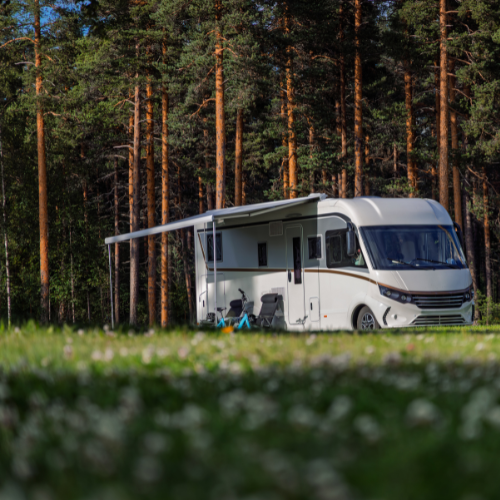
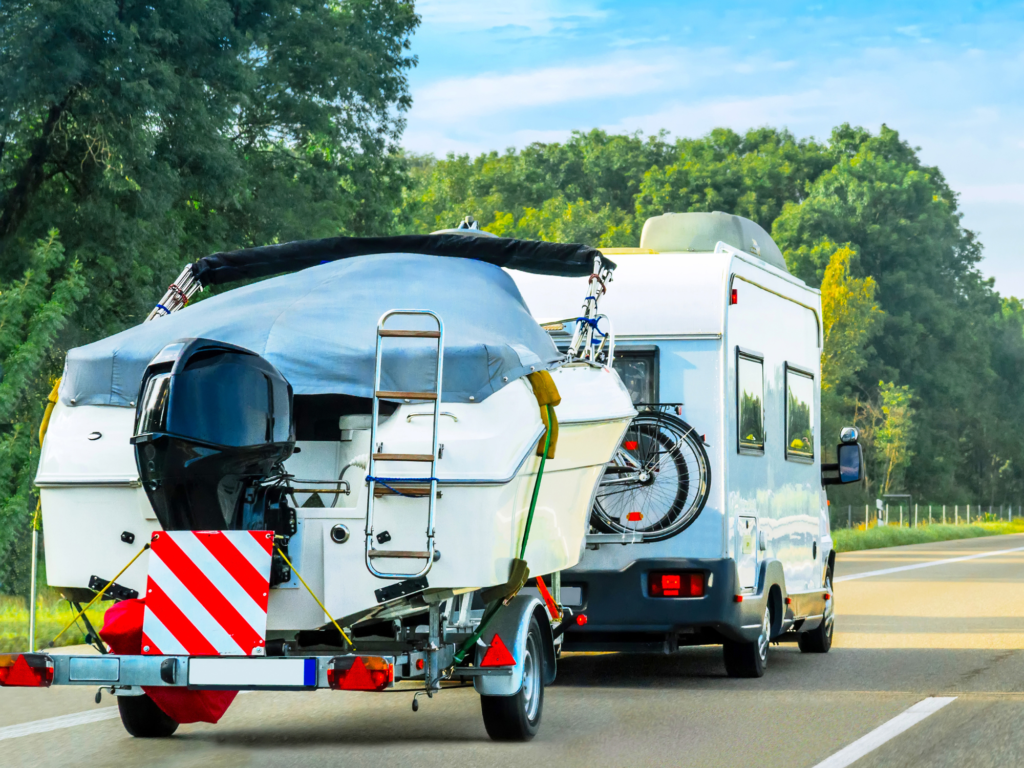
Your personal auto policy provides liability coverage while your RV is moving down the road — but that’s about where it stops. It doesn’t cover the RV itself against collision or comprehensive losses. It doesn’t cover the contents inside. It doesn’t protect you when you’re parked at a campsite and the RV is functioning as your temporary home. And if you’re towing a travel trailer, your auto policy provides zero physical damage coverage on the trailer at all. A dedicated RV and trailer policy fills every one of those gaps — covering the vehicle, the contents, the liability while parked, and the emergency assistance that matters when something goes wrong three hours from home. At Prestige Planning, we place RV and trailer coverage for Florida families who take their time on the road seriously.
It's a Vehicle and a Home. Cover Both.
When your RV is parked and you’re living in it, your auto policy doesn’t apply — and your homeowners policy doesn’t either. Vacation liability coverage addresses your personal liability exposure while the RV is being used as a temporary residence. Physical damage coverage protects the structure and systems of the unit itself. Together, they handle the coverage gap that exists every time you unhook the tow vehicle and settle in for the night.
Towed Trailers Need Their Own Coverage.
A travel trailer, fifth wheel, or horse trailer being towed has no physical damage coverage under your auto policy. If it’s damaged in an accident, stolen from a campground, or destroyed in a storm while parked, the loss is entirely yours without a separate policy. Trailer coverage provides the physical damage and liability protection your tow vehicle’s policy was never designed to extend to what’s rolling behind it.
Roadside Assistance Built for What You're Driving.
A breakdown in an RV or towing a loaded trailer is a fundamentally different problem than a car breakdown — the equipment is bigger, heavier, and more expensive to move. RV-specific roadside assistance covers towing, tire service, fuel delivery, and in some cases lodging and meal reimbursement if a breakdown strands you overnight. For Florida families traveling across the state or beyond, that coverage is practical protection worth having.
Coverage That Goes Where You Go
Stated Value, Agreed Value, or Replacement Cost — Know the Difference
How your RV is valued at total loss matters significantly, especially for newer or higher-value units. Stated value pays the actual cash value up to a stated limit — typically the lower of the two. Agreed value locks in the insured amount at policy inception and pays that number at total loss, no depreciation argument. Replacement cost coverage pays what it would cost to replace the unit with a comparable new one. For a newer coach or a unit you've invested significantly in, agreed value or replacement cost protection is the right conversation to have before you need it.
Personal Effects — Because the Stuff Inside Has Value Too
Clothing, kitchen equipment, electronics, outdoor gear, tools, fishing equipment — everything you pack into an RV for a trip represents real money. Personal effects coverage reimburses for damage or loss to items normally used with the RV when physical damage coverage is in place. It's one of the most commonly overlooked elements of RV coverage and one of the easiest to add. If you've ever unpacked an RV after a trip and thought about what you'd have to replace if it was all gone, the coverage limit should reflect that number.
Full-Timer vs. Recreational Use — It Changes the Policy
If your RV is a seasonal camping and travel vehicle, a recreational policy fits. If you live in it full-time or for extended periods, a full-timer policy provides a broader range of protections — closer in structure to a homeowners policy than a recreational vehicle policy — covering liability, personal property, and loss of use in a way that recreational policies aren't designed to handle. We ask how you use the unit before recommending a coverage structure, because the right answer depends entirely on how the RV actually lives.
⭐⭐⭐⭐⭐ What Our Clients Are Saying
We bought a fifth wheel two years ago and assumed our truck's insurance covered it while we were towing. Prestige Planning was the first person who clearly explained that we had zero physical damage coverage on the trailer itself. We had been hauling a $55,000 unit with no coverage on it at all. Got it sorted immediately. Should have known to ask the question before we ever pulled out of the dealer's lot.
We camp at Joe Wheeler State Park several times a year and spend a week or two at Gulf State Park every summer. When we're parked and set up, our auto policy isn't doing anything for us. Prestige Planning added vacation liability and personal effects coverage to our RV policy and it cost almost nothing extra. Now when we're set up at a site with the grandkids running around, we actually have liability coverage that applies where we are.
I had a blowout on I-65 pulling my camper trailer on a Friday afternoon. Getting a rig like mine off the highway and to a safe location wasn't cheap or simple. My RV policy included roadside assistance that covered the tow and put us in a hotel that night while we figured out the next step. That coverage paid for itself on one trip. I've told every camping friend I have to make sure they have it.
What an RV and Trailer Insurance Policy Covers
A dedicated RV and trailer policy is built for the unique combination of vehicle and living space that recreational units represent — something neither personal auto nor homeowners policies are equipped to handle on their own.
Physical damage coverage protects the unit against collision, theft, fire, storm, and other covered losses. The valuation structure — stated value, agreed value, or replacement cost — determines how a total loss is settled, and it’s worth understanding clearly before purchasing. Liability coverage applies both while driving and while the unit is parked and in use as a temporary residence, which standard auto liability does not cover. Vacation liability specifically addresses the parked-and-living scenario that creates a coverage gap under both auto and homeowners policies.
Personal effects coverage reimburses for loss or damage to belongings used with the RV. Roadside assistance provides emergency towing, tire and fuel service, and in some policies lodging reimbursement for breakdown situations. Additional coverage options include pet injury coverage, diminishing deductibles, and accident forgiveness — features available through many RV-specific carriers.
For travel trailers, fifth wheels, horse trailers, and other towed units, physical damage coverage is a separate policy or endorsement — it is not provided by the towing vehicle’s auto policy. This is one of the most common and costly gaps in recreational vehicle coverage, and one of the most straightforward to correct.

Our Approach
Trip-Ready. Gap-Closed. Built Around How You Actually Use Your RV.

We Ask How You Use It First
Seasonal camper, weekend warrior, extended traveler, full-timer — the right coverage structure depends on how the unit lives. We start with that conversation before recommending a policy type or carrier.

We Close the Towing Gap
If you tow a trailer, we make sure the trailer itself has physical damage coverage — not just the vehicle pulling it. It's the gap most RV owners don't know exists until something goes wrong.

We Match the Valuation to the Unit's Worth
For newer or higher-value units, we discuss agreed value and replacement cost options so the settlement structure at total loss reflects what the unit is actually worth — not a depreciated figure that falls short of replacement.
Why Prestige Planning for Your RV Policy?
Independent Advantage
We work with multiple carriers offering RV and trailer coverage and can compare policy terms, valuation options, and pricing across the market to find the right fit for your unit and how you use it.
Claims Support on the Road and at Home
An RV claim — whether it's a collision while traveling or a storm loss at a campsite — needs guidance. We help you document the loss, work with the carrier, and push toward a fair resolution without the runaround.
We Cover the Full Range
Class A, B, and C motorhomes. Travel trailers and fifth wheels. Pop-up campers. Horse trailers. Toy haulers. If it rolls recreationally, we can find coverage for it.
Florida Families Who Love the Outdoors Deserve Real Protection
From the state parks of north Florida to the Gulf Coast, Florida offers excellent RV territory. The families who enjoy it deserve a policy that actually travels with them.